
Protection That Follows Every Vehicle You Drive
Auto Insurance in St Louis for liability, collision, and comprehensive coverage tailored to your driving patterns
A vehicle sitting in your driveway without current insurance creates both legal exposure and financial risk if damage occurs while parked. Farmers Insurance – Michael Aleksick structures auto insurance policies in St Louis that address state minimum liability requirements, collision and comprehensive protection, and optional coverages that close gaps during roadside emergencies or rental situations. Coverage decisions depend on vehicle value, loan status, and whether you drive for personal use, work commutes, or business purposes.
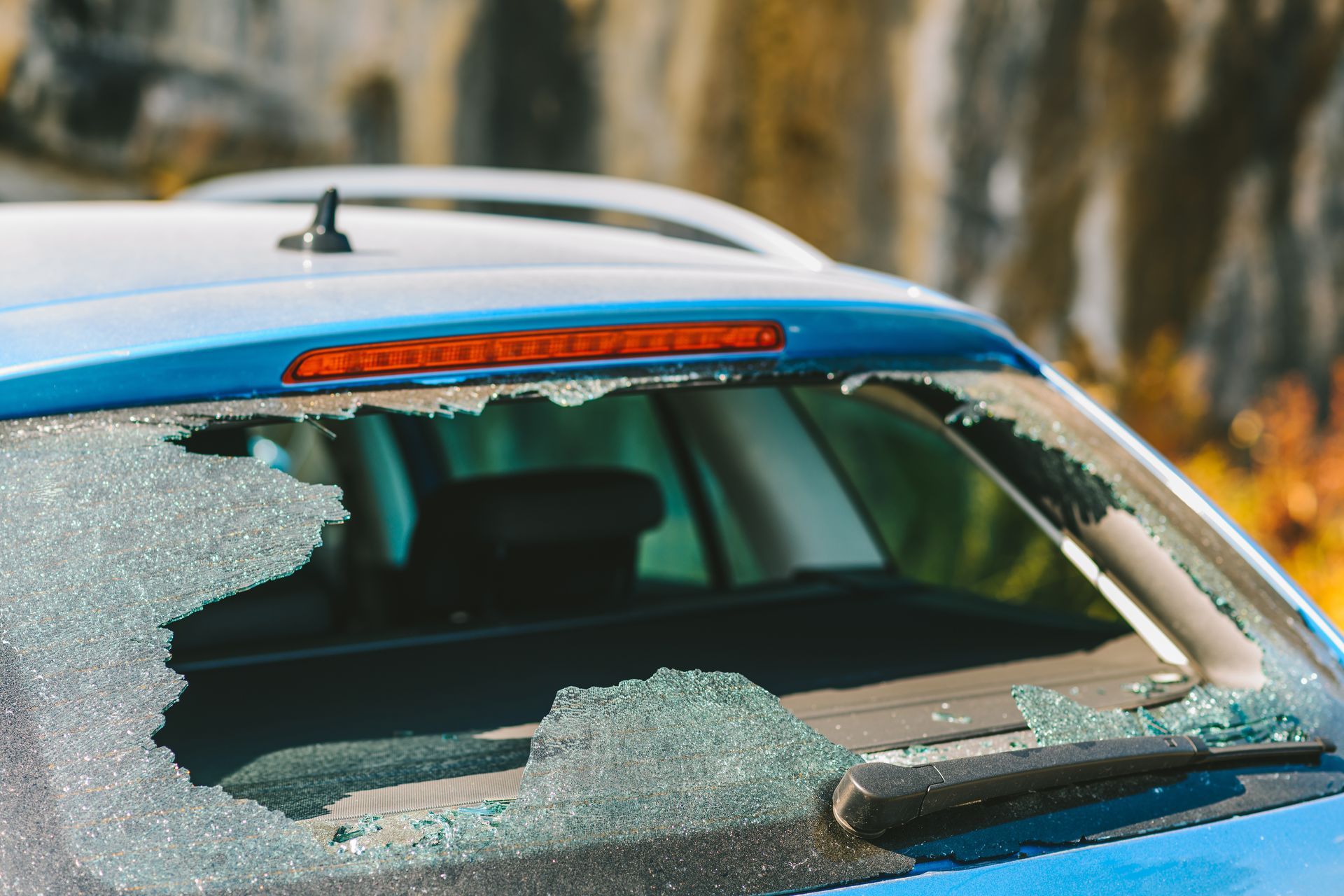
Auto insurance includes liability coverage that pays for injuries or property damage you cause to others, collision coverage that repairs your vehicle after an accident regardless of fault, and comprehensive coverage that handles non-collision events such as theft, vandalism, hail, or animal strikes. Policy limits are selected based on your total assets and whether the vehicle carries a loan or lease that mandates specific coverage types. Access to Farmers Insurance products and additional carriers allows comparison of premium costs, deductible structures, and discount eligibility across multiple underwriters.
Request a customized auto insurance quote to evaluate coverage options based on your vehicle type and driving history.
What Proper Coverage Requires
Policy setup begins with documenting each vehicle's year, make, model, VIN, and estimated annual mileage. Fully licensed local agents review your driving record, current coverage, and whether you qualify for discounts through bundling, safe driving history, or occupations that statistically correlate with lower claim frequency. Liability limits are discussed to determine whether Missouri's state minimums provide adequate protection or whether higher limits better match your asset base.
Once coverage is active, your policy documentation specifies liability limits per person and per accident, collision and comprehensive deductibles, and any optional coverages such as rental reimbursement, roadside assistance, or uninsured motorist protection. Bundling auto insurance with home, life, or other policies typically reduces premiums across all lines. Annual reviews adjust coverage as vehicle values depreciate, loan balances are paid off, or household driving situations change.
Optional coverages include gap insurance for vehicles with loans exceeding current value, medical payments coverage that handles injury expenses regardless of fault, and towing and labor coverage that pays for roadside service calls. Deductible selection balances monthly premium costs against the amount you'll pay out-of-pocket after a claim. Discount structures vary by carrier and may include factors such as multi-vehicle policies, automatic payments, or completion of defensive driving courses.
Answers to Frequent Service Questions
Auto insurance decisions involve understanding liability limits, evaluating collision versus comprehensive needs, and identifying discount opportunities. The following responses address questions from drivers in the St Louis area.
What is the difference between collision and comprehensive coverage?
Collision pays for damage when your vehicle hits another object or rolls over, while comprehensive covers non-collision events such as theft, hail, fire, or animal strikes, with each carrying separate deductibles you select.
How do bundling discounts work when I add auto insurance to my home policy?
Bundling typically reduces the total premium for both policies because insurers offer multi-line discounts that range from five to twenty-five percent depending on the carrier and coverage levels you select.
Why do some occupations qualify for lower auto insurance rates?
Occupations with statistically lower claim frequencies, such as engineers, teachers, or scientists, receive discounts because historical data shows those professions file fewer at-fault claims and maintain better driving records.
When should I drop collision coverage on an older vehicle?
Collision coverage becomes less cost-effective when your vehicle's value drops below ten times the annual premium, since the maximum payout after a total loss would not justify the ongoing cost.
What happens if I drive for work purposes beyond a normal commute?
Business use coverage is required if you drive for work-related tasks beyond commuting to a single location, such as visiting client sites, making deliveries, or transporting goods, since personal auto policies exclude commercial activities.
Farmers Insurance – Michael Aleksick provides local support before, during, and after policy selection, ensuring coverage adjusts as your vehicles and driving situations change. Schedule a review to compare options through Farmers Insurance and additional carriers available in Missouri.